.png)
Sustainable Farming
We strive to be economically viable and carbon neutral while creating synergy between our farm and the communities we are a part of.
Good Farm Practices Help Everyone

Water quality and conservation.

Healthy soil for now and the future.

Protecting the local ecosystem.
Our Farming Practices
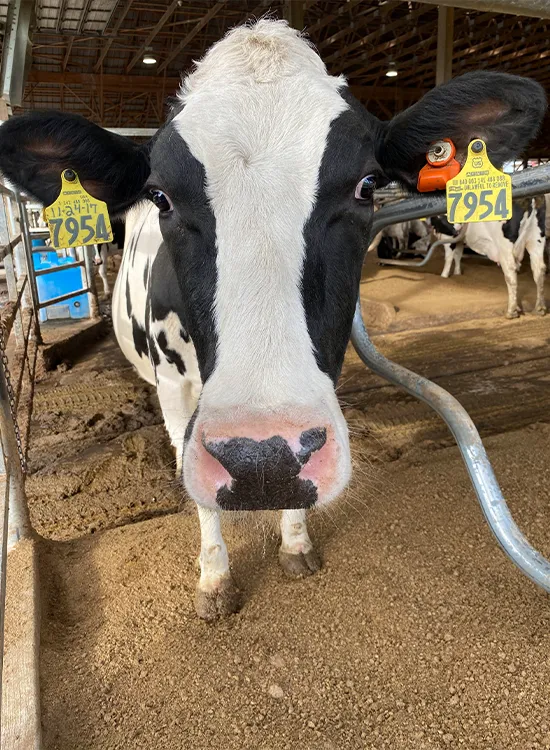
Projects with economic and environmental benefits have become part of the Brubaker Farms' growth philosophy. As sustainability has become a focal point, the farm has adopted practices that go above and beyond the baseline requirements.
- No-til planting. No-till planting is a method of planting crops in which the soil is left undisturbed and the previous year's crop residue is left on the surface of the soil. This method reduces erosion, conserves moisture, and improves soil health by promoting the growth of beneficial microorganisms.
- Manure pipeline. These pipelines move manure between storage and the fields around the farm, allowing digested manure to be applied quickly and with greater fuel efficiency.
- Manure injection. This newer technology injects manure directly into the soil instead of being spread on top. This allows for better utilization of the nutrients in the crops while reducing odor.
Going Above & Beyond
Protecting Waterways
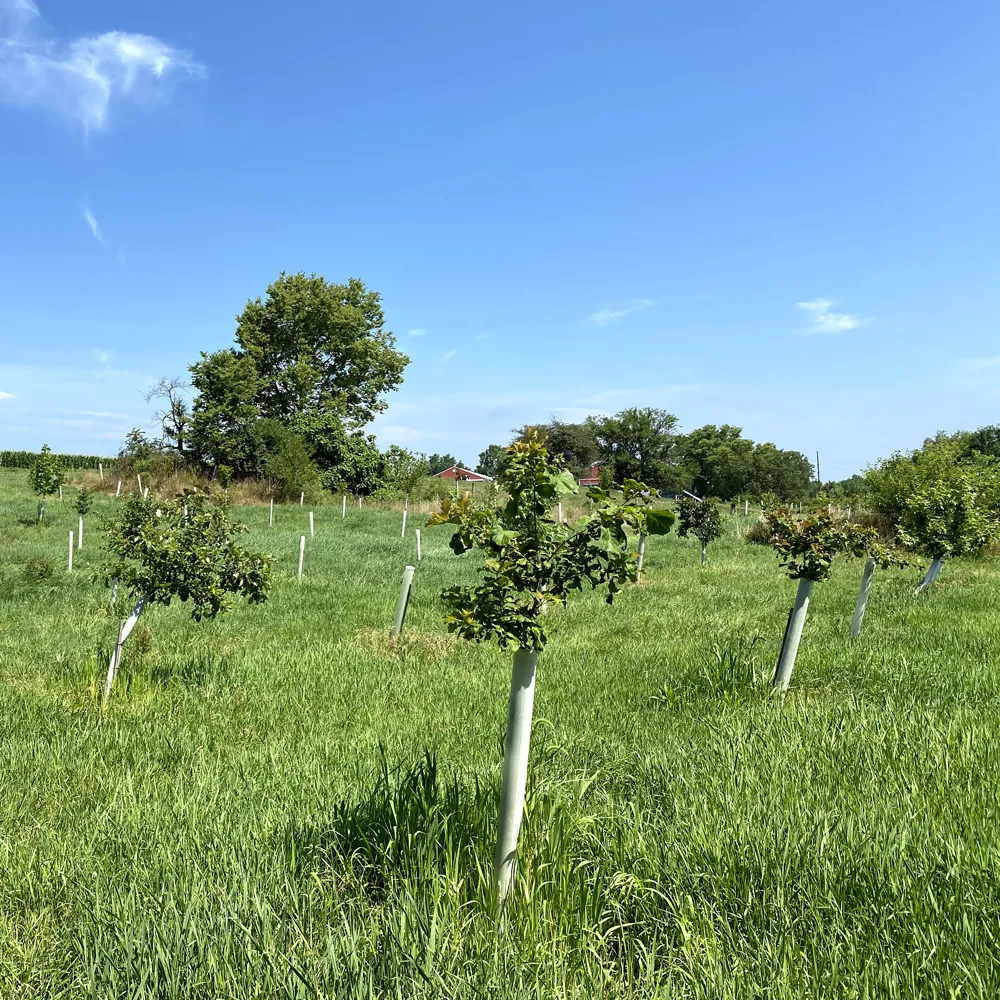
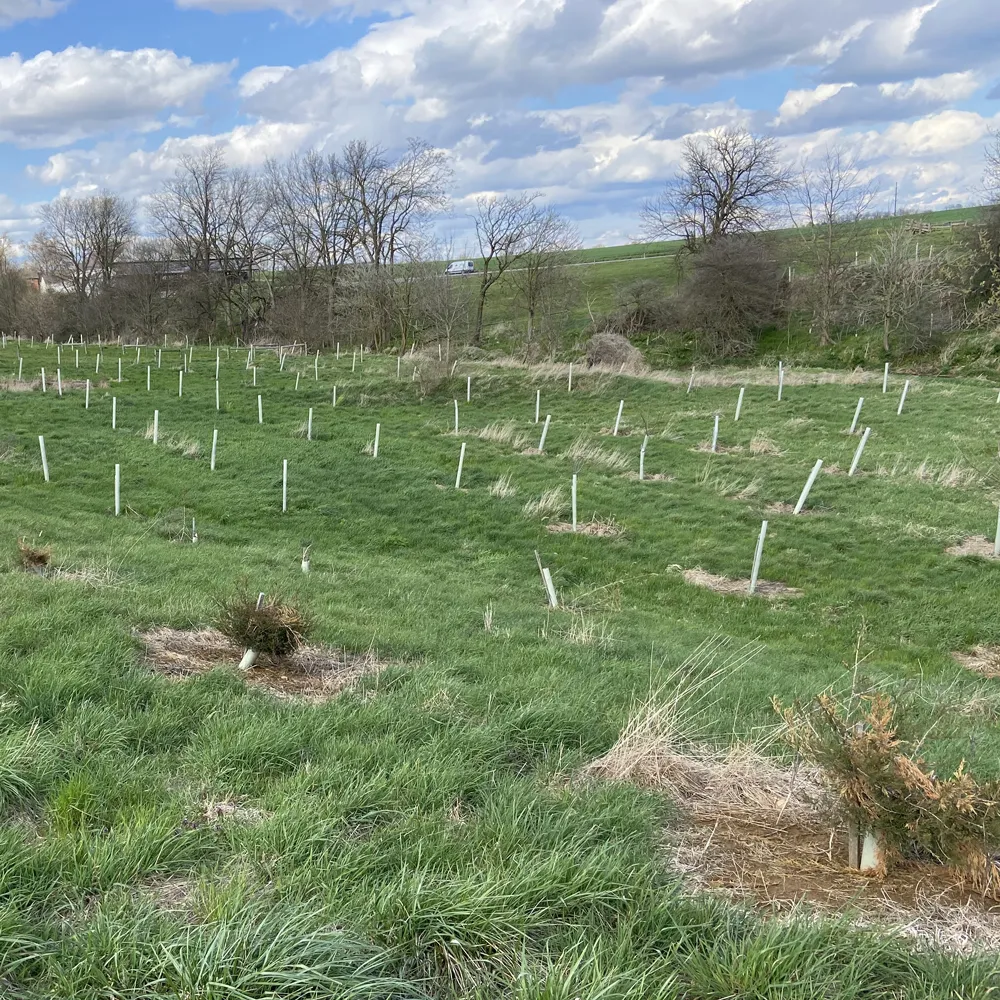
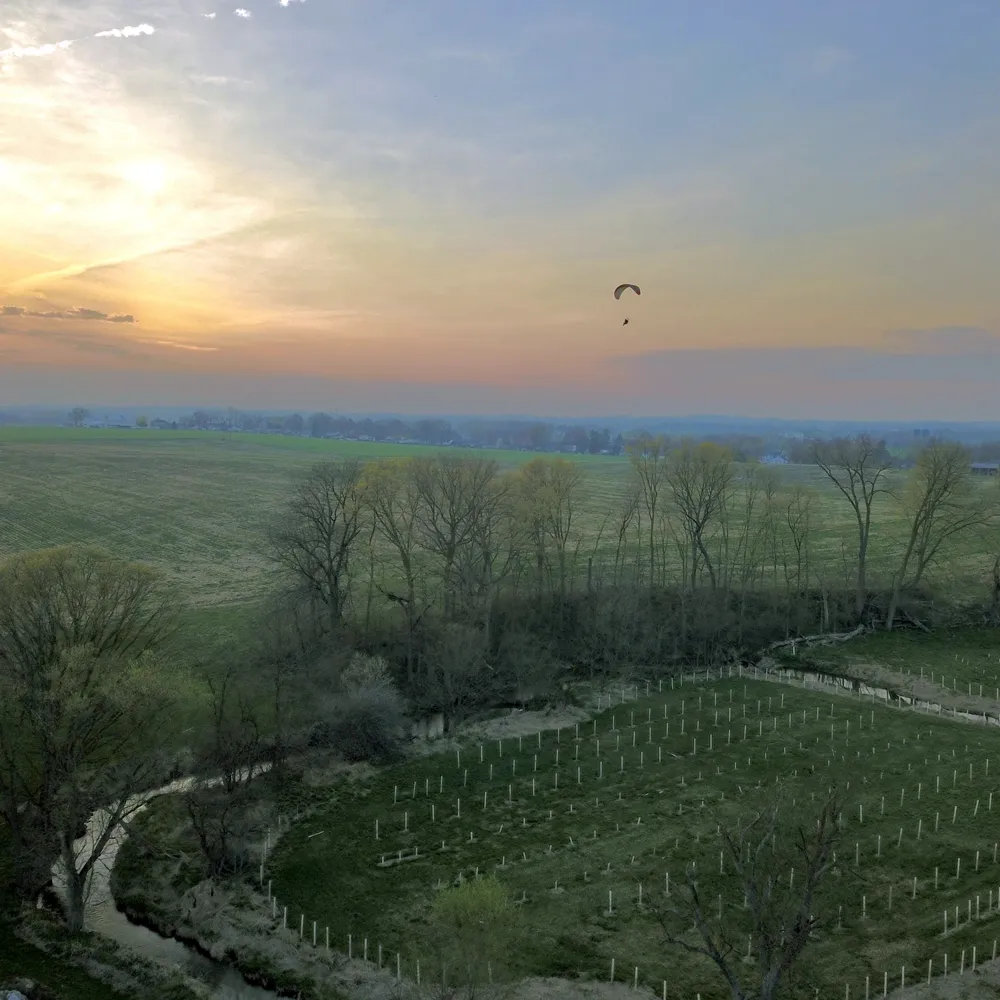
The baseline practice to protect waterways is to fence cattle out of the streams. Brubaker Farms has gone the above and beyond, adding 15 acres of riparian buffers through the Conservation Reserve Enhancement Program (CREP) to protect water quality and enhance wildlife habitat.
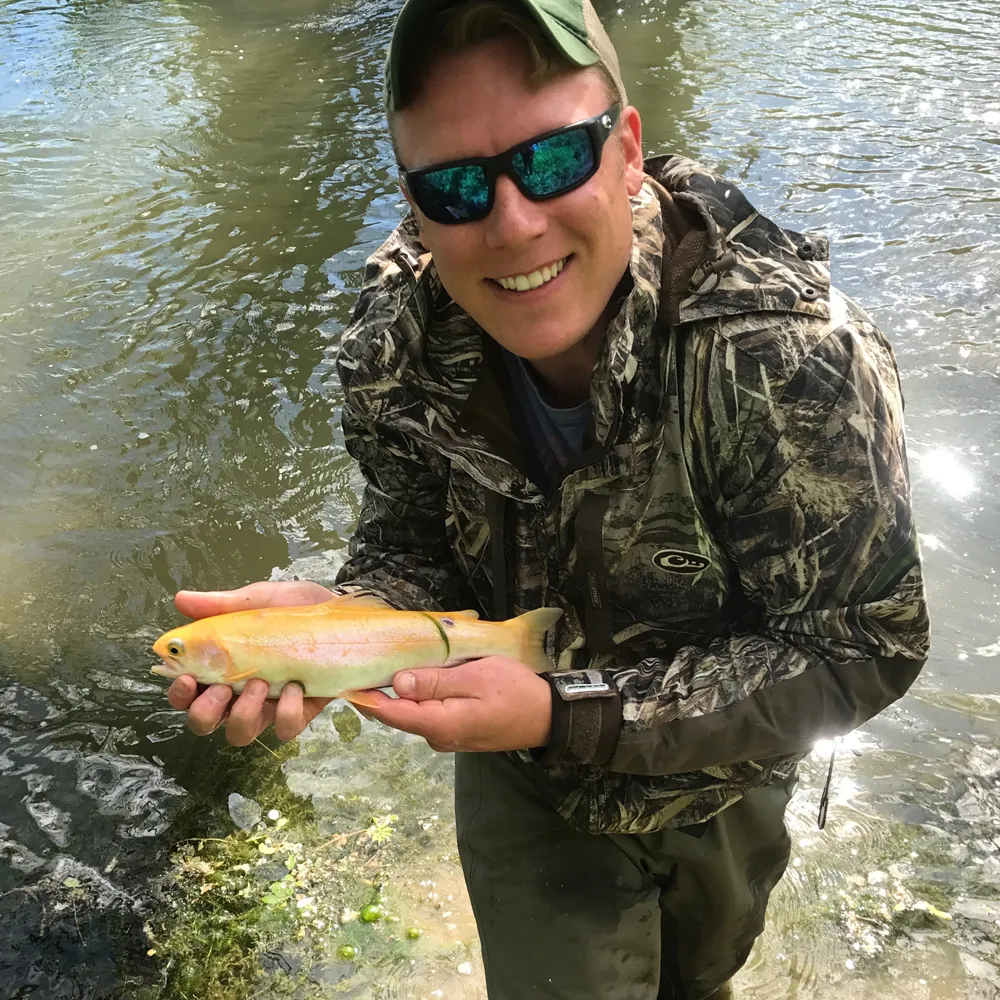
Over the years, the stream environment has improved to the point where it is a highly productive fly fishing-only designated zone for trout. It is common to see deer, waterfowl, muskrats, turtles, and occasionally a bald eagle. Important partners in the development of the CREP were Stroud Water Research, USDA Farm Service Agency, and Donegal Trout Unlimited.
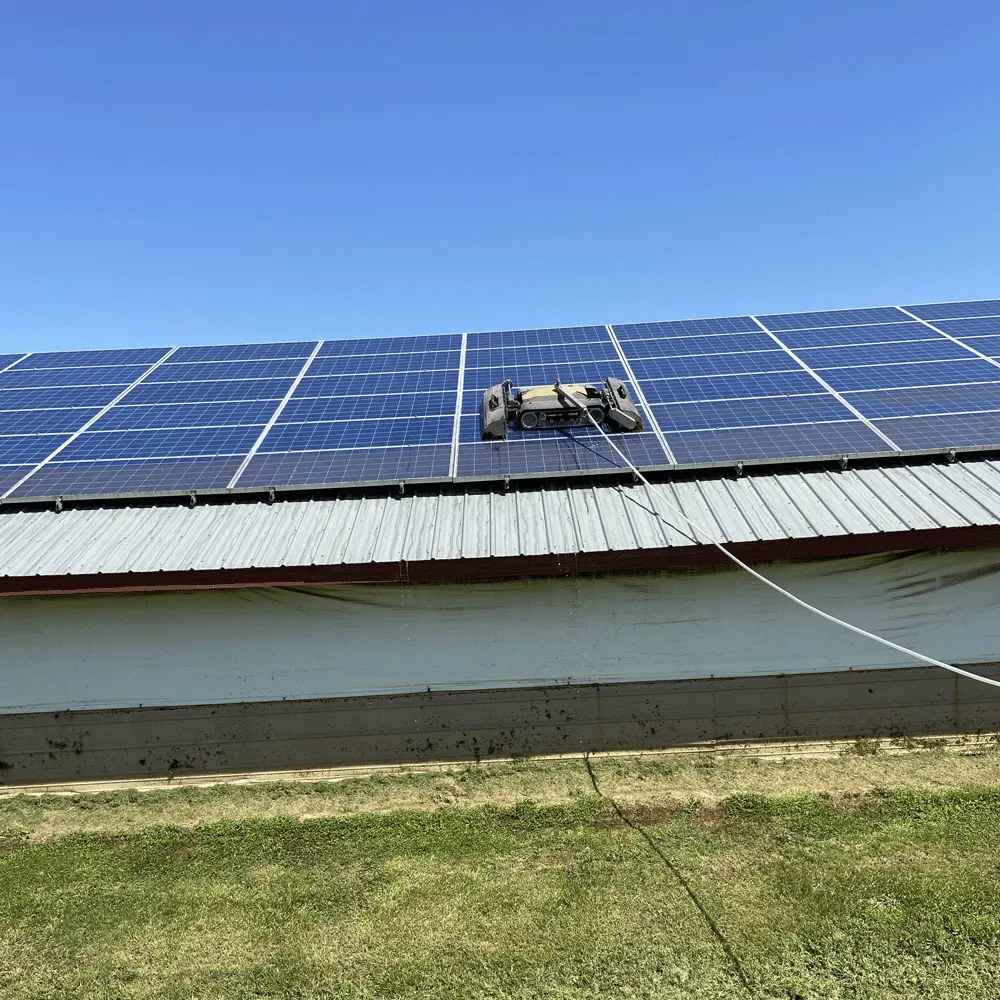
Solar Panels
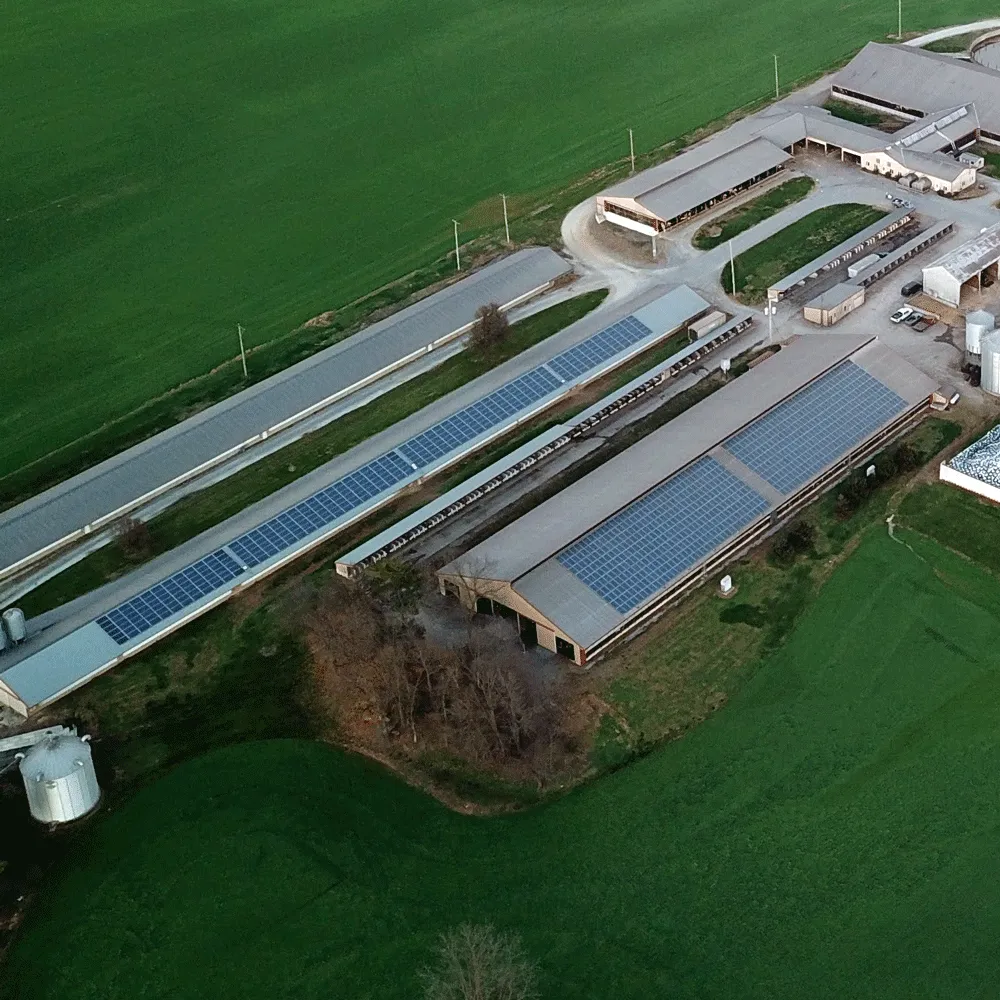
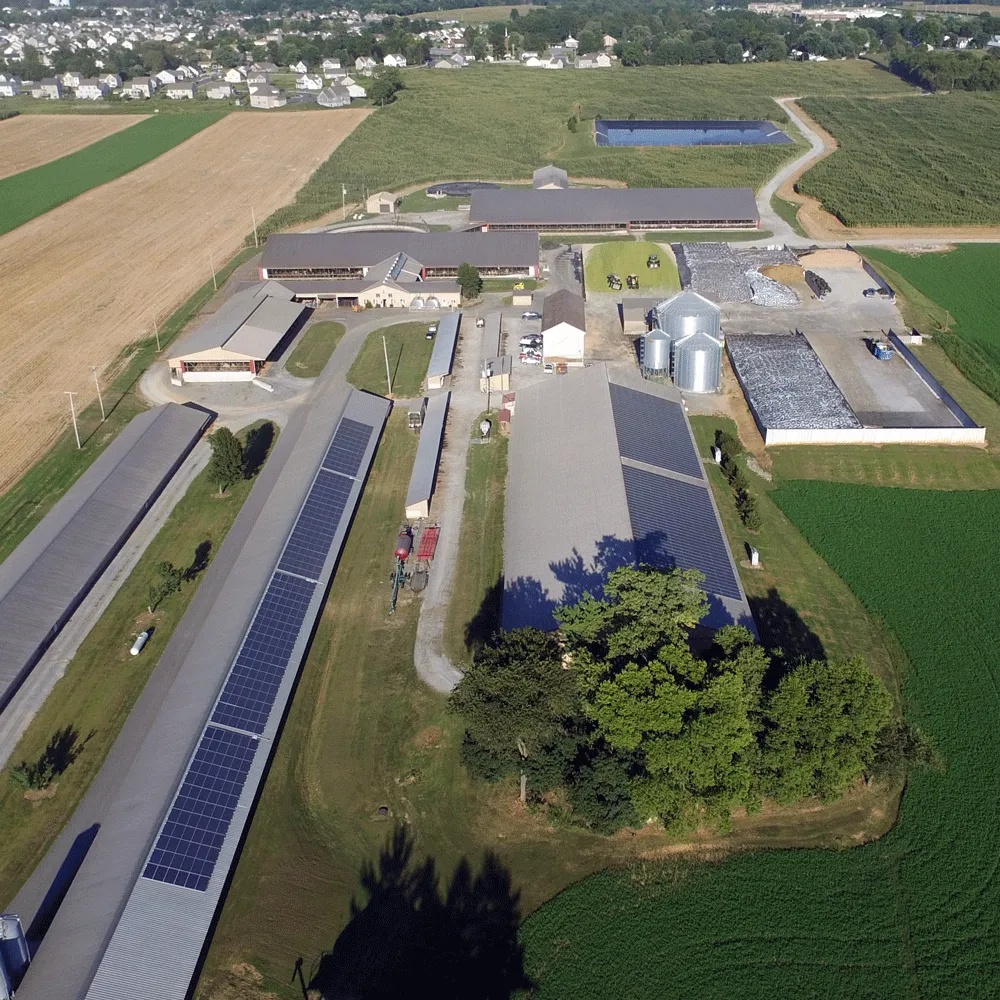
Solar energy was harnessed by the farm with the installation of solar hot water and solar electric panels on several barn roofs. When the sun shines brightly, the panels can produce enough electricity for roughly 500 homes!
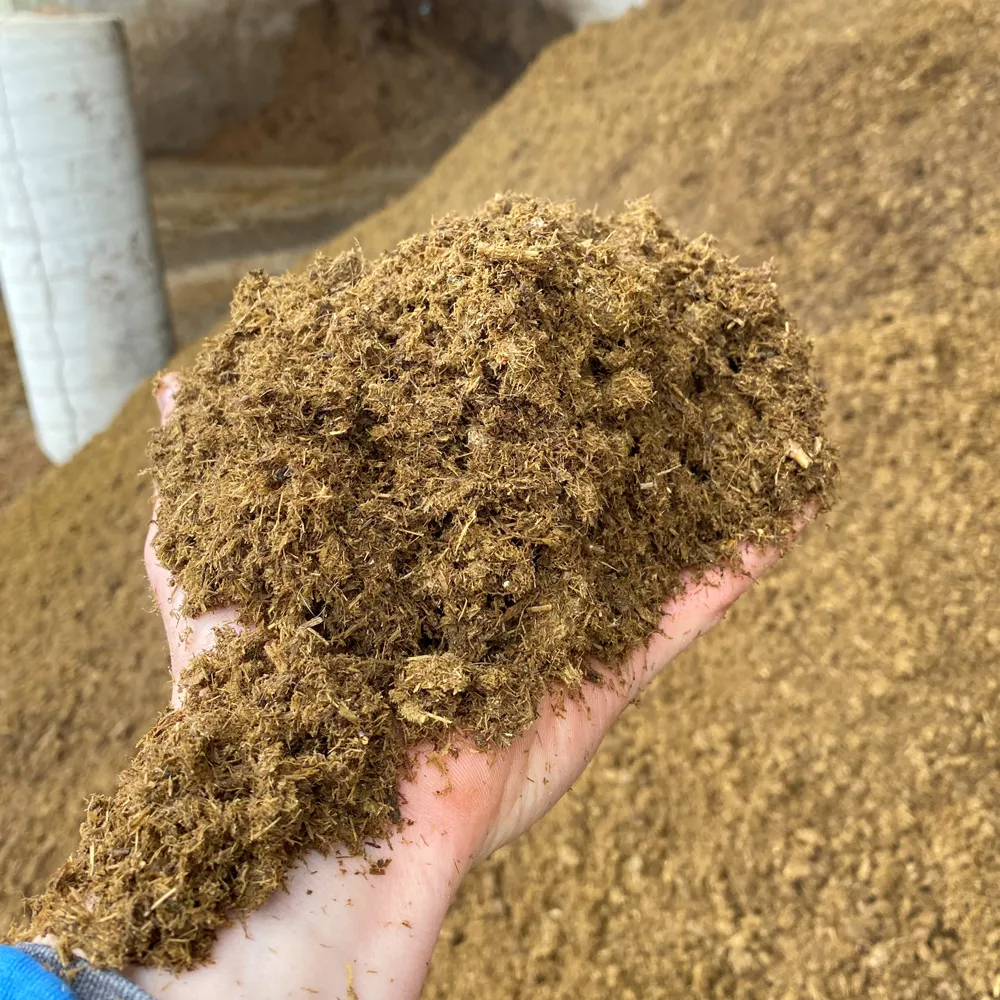
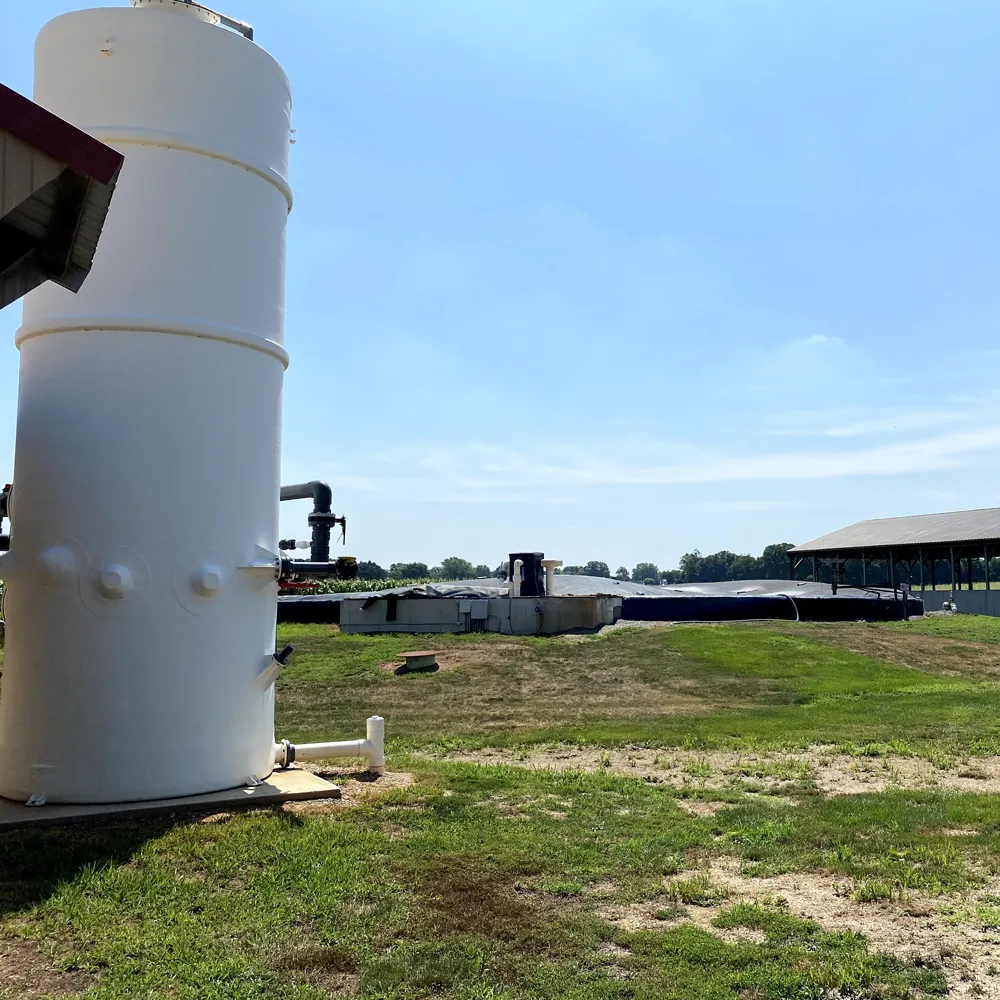
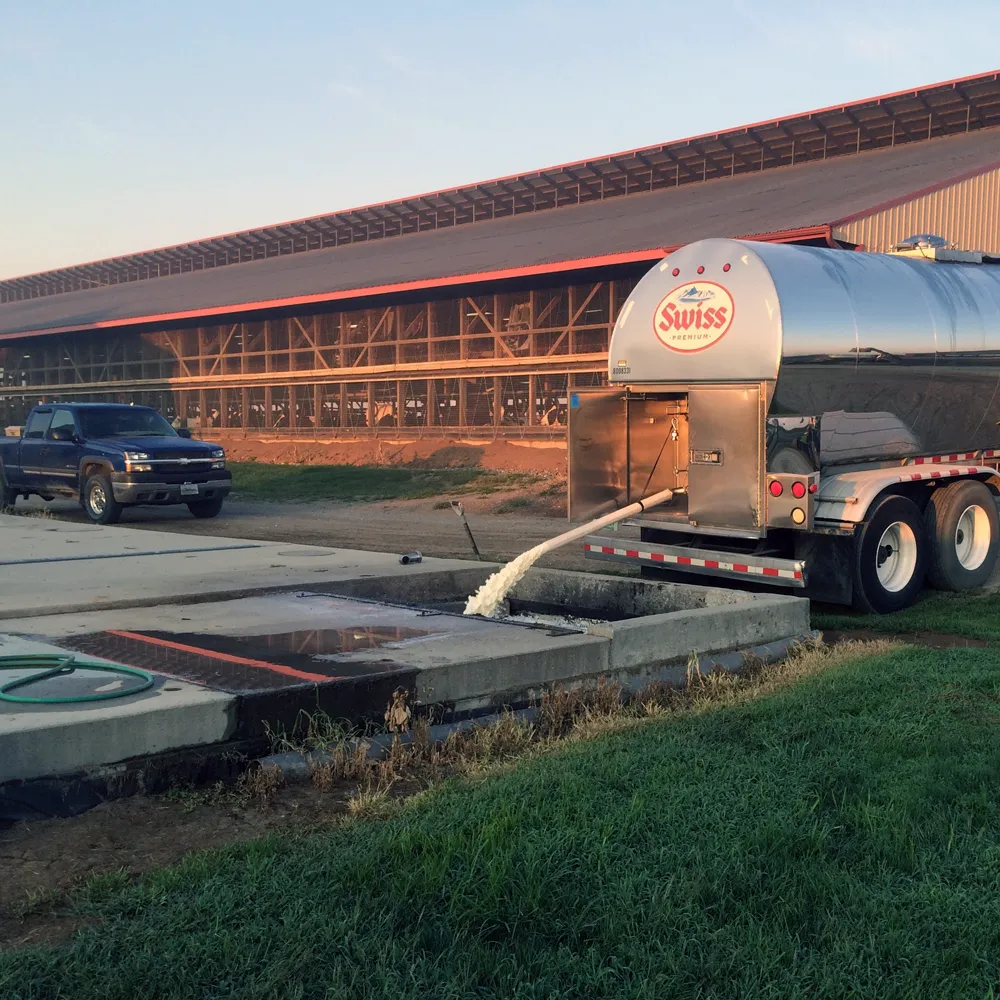
Methane Digesters
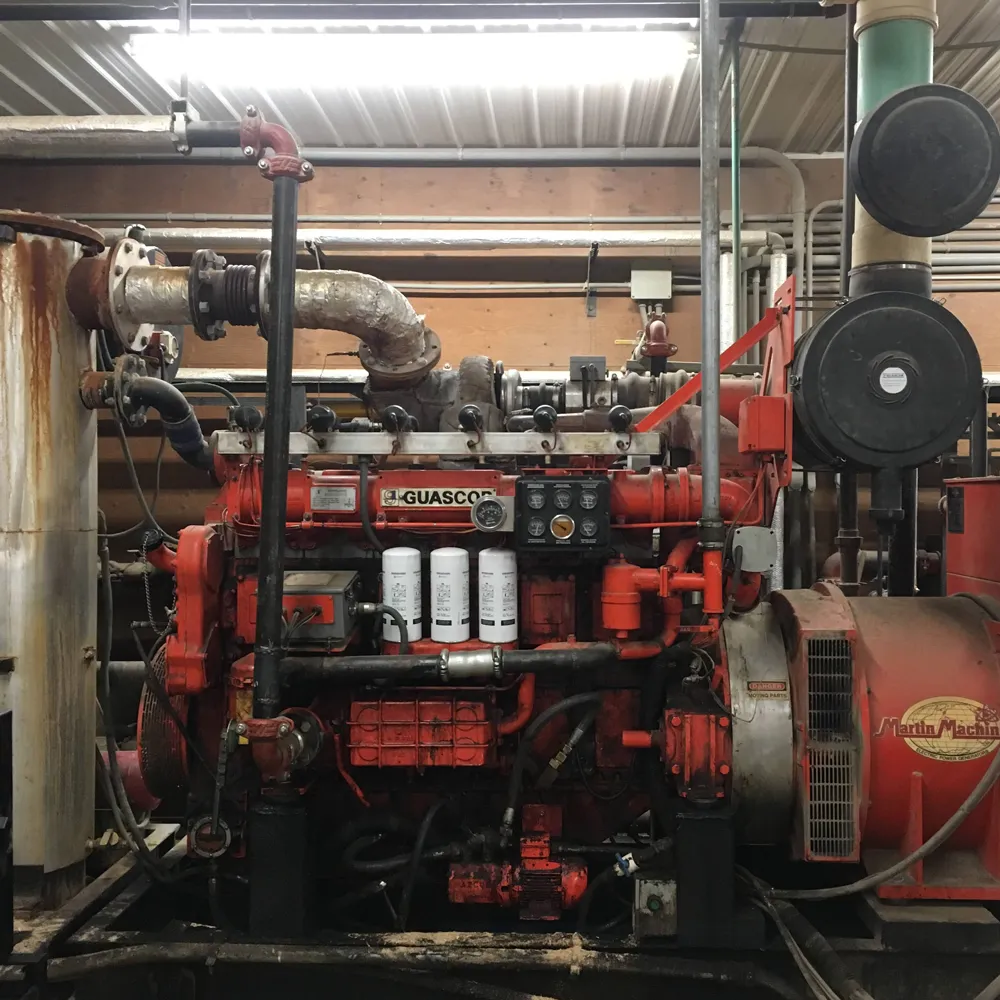
In 2007, Brubaker Farms realized that manure was an untapped fuel resource on the farm. This led to the building of a methane digester.
In 2025, a second digester was acquired which increased the farm's ability to digest additional food waste from the local community.
The digesters convert manure from the farm and food waste from the local community into electricity.
Learn More about Our food digesters